
Pen & Page Prompt #20
This Week: A Turn Toward the Lyric Poem

Pen & Page: Writing the Lyric Poem
A prompt about the lyric and what happens when we stay with the moment instead of story.
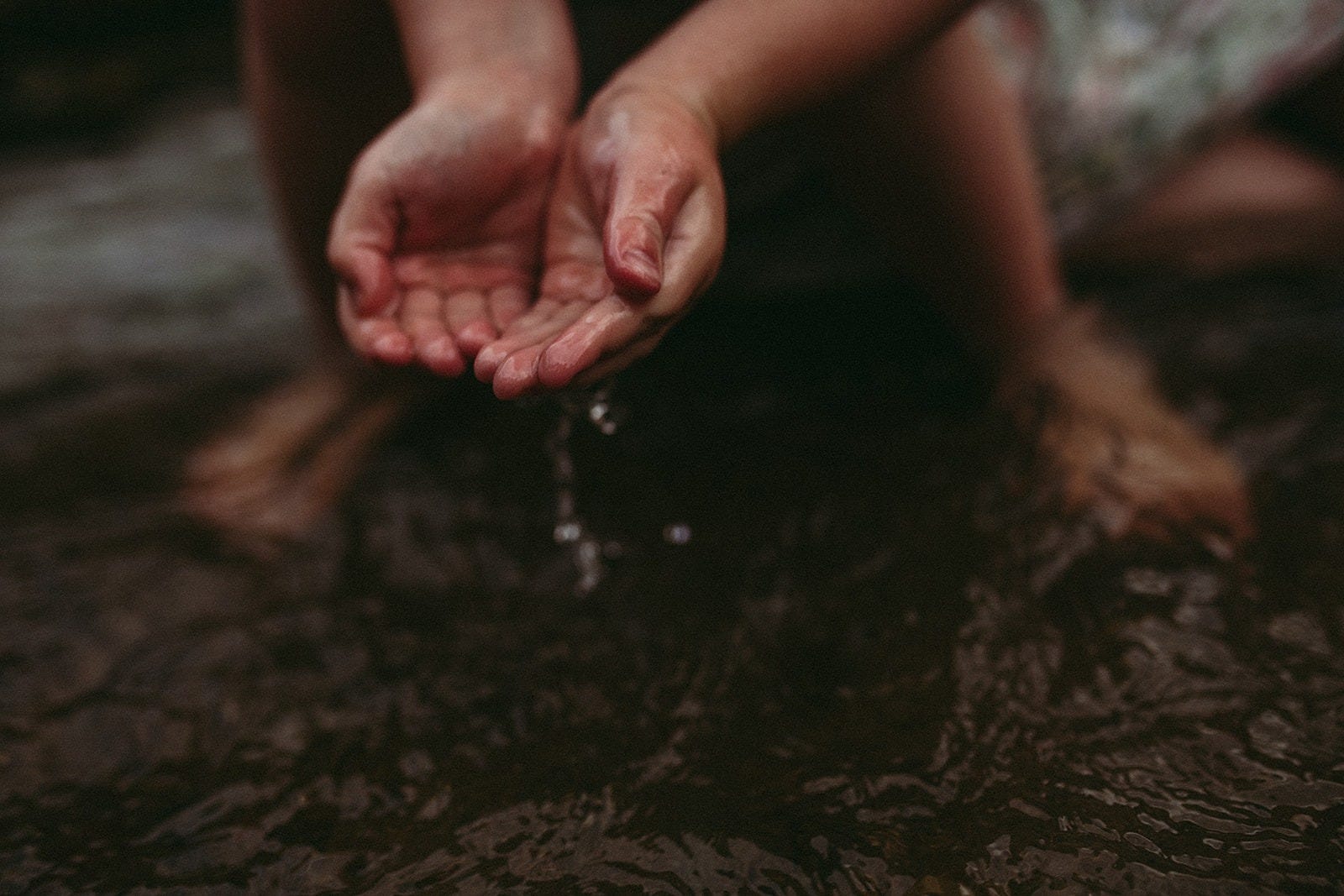
Narrative poems move through events. They tell us what happened, what changed, and what came next. Lyric poems, by contrast, linger. They stay inside a moment, guided by image, sensation, sound, and feeling rather than story. A lyric poem doesn’t explain or resolve; it attends. Instead of moving forward, it deepens. There is no need to get this “right” — the work here is simply to notice and remain with what is present. With that in mind, let the image below be a point of entry rather than a scene to explain, and begin there.
Prompt #20: Staying With the Moment
Premise
Lyric poems linger. They deepen attention rather than move events forward. By resisting narrative impulse, we allow image, sensation, and rhythm to carry meaning.
Setup
Take a moment to sit with the image.
Notice what is present — hands, water, movement, light.
Notice what is not present — no before, no after, no explanation.
This prompt invites you to write a lyric poem: one that stays inside a single moment rather than telling a story.
Core Prompt
Write a lyric poem that stays inside one moment.
Begin within a single moment.
Focus on sensation, gesture, texture, sound, or movement.
Resist the urge to explain where the moment comes from or what it leads to.
Let the poem remain within its present — held by attention rather than story.
Craft Menu
Choose one or two to guide your draft:
• Write entirely in the present tense
• Focus on image and sensation rather than reflection
• Let line breaks slow the reader and deepen attention
• Allow repetition to create rhythm
• Use concrete details instead of summary
Constraints
• Do not include backstory
• Do not explain meaning
• Avoid narrative markers (then, when, after)
• End the poem without resolution or closure
Stretch / Expansion
Write a second version that removes one more layer of explanation.
Let the poem rely even more fully on image, gesture, and sound.
Share Back
If you’d like, share a few lines — especially where the poem stayed with the moment rather than telling a story.
Reflection
Later today or tomorrow, notice a moment in your daily life and resist narrating it.
Stay with what is happening — the movement, the sensation, the rhythm of the act itself.
Pay attention to how this kind of lyric attention shifts your experience of time.
Let the moment be enough.
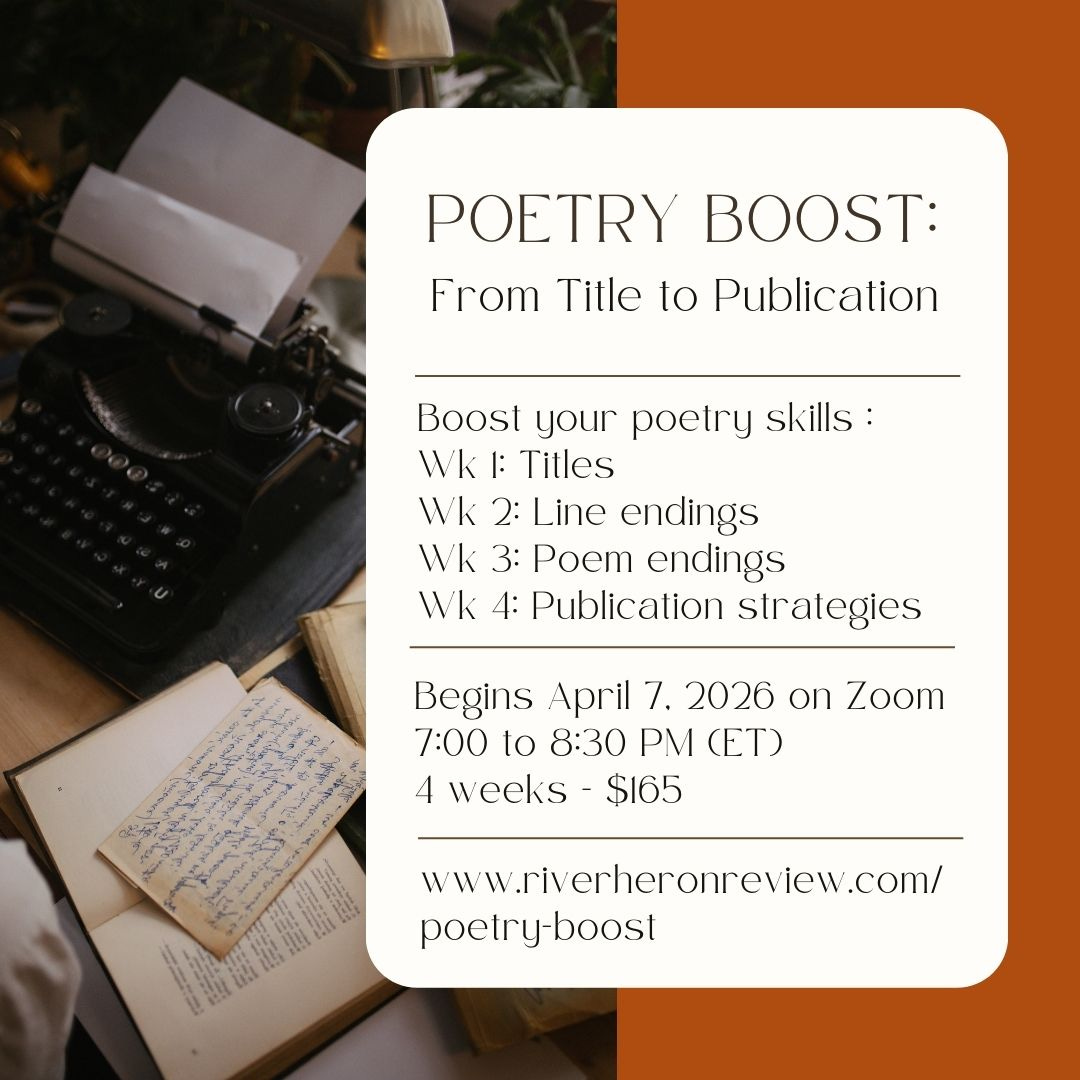
If you’re enjoying these focused explorations of poetic craft, I’ll be collaborating with River Heron Review this April and diving deeper with a four-week workshop called Poetry Boost. Each week we’ll focus on a different aspect of poetic structure — titles, line endings, poem endings, and finally practical publication tips. It’s designed to offer clear guidance, generative prompts, and space to strengthen your poems one element at a time. Click here for details.
Next week, we’ll turn our attention to beginnings — not as first lines alone, but as thresholds, permissions, and the quiet moment before a poem fully enters the page.
A note of gratitude: most of my images, including this week’s image, are taken by my daughter, a Colorado family photographer. Being able to share her photographs here — and to work alongside her in this small way — is a gift.
Write and thrive,
Robbin Farr
10poetrynotebooks@gmail.com
I'm using this for an ekphrastic poem on a Hopper painting.
Lovely insight. Thank you