
The Smallest Hinges
Line Endings And The Way Poems Turn

#Field Notes
Dear Writers,
In a recent Frame & Phrase, we talked about the volta as a hinge—the place where a poem turns in meaning, argument, or emotional direction. This week, we’re staying with the idea of the hinge but zooming in much closer. Instead of the poem’s large turn, we’re looking at the smallest ones: the hinges at the ends of lines. These micro-turns don’t change what the poem is about so much as how it moves, how it breathes, and how the reader travels through it.
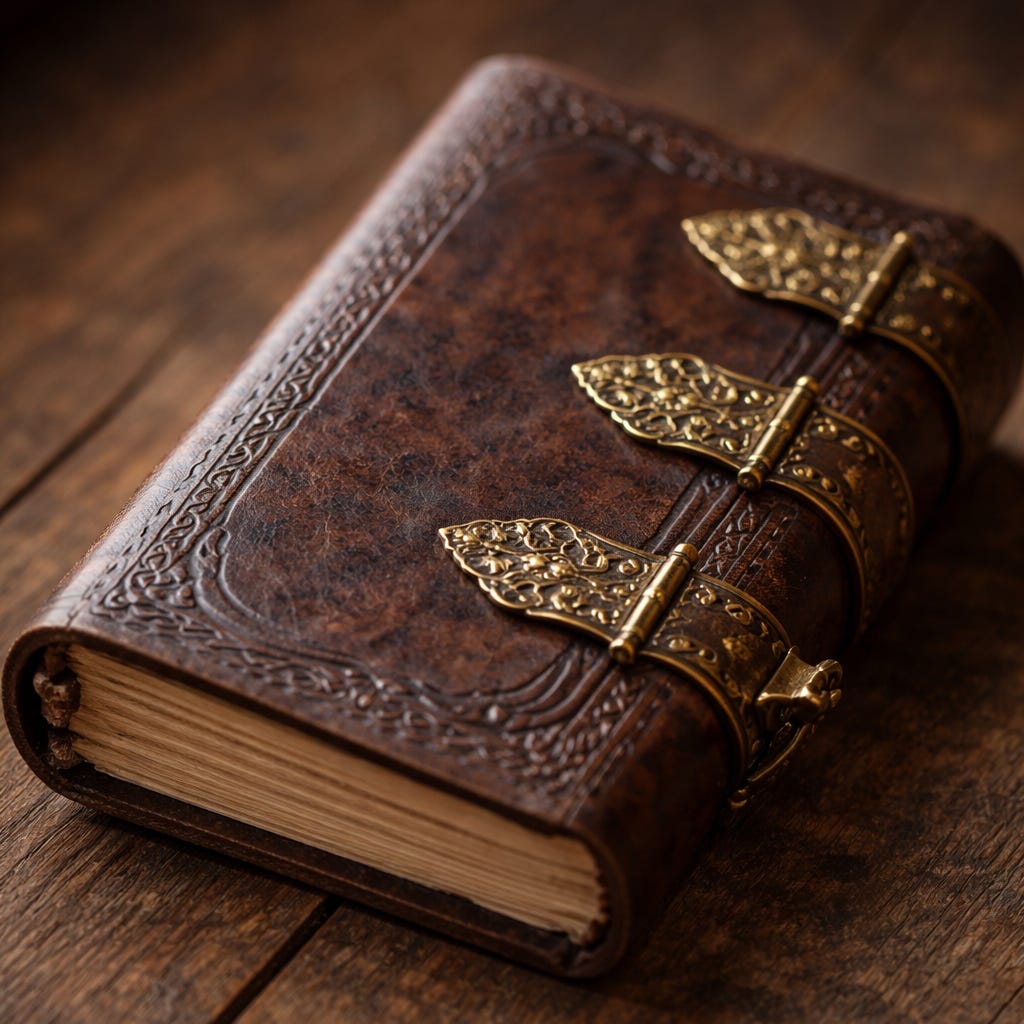
Most of the time, when we think about a poem, we think about its images, its subject, its voice. But quietly, almost invisibly, the poem is also being made by its line endings, those small hinges where sound, sense, and silence meet. Every time a line stops, the poem asks the reader to make a micro-decision: pause or rush on, settle or reach, rest or fall forward. Over the course of a poem, those small decisions accumulate into tone, pace, and emotional shape.
A line ending can do many things at once. It can offer a feeling of completion, as if the thought has arrived somewhere and can rest. It can create tension by breaking a phrase before it fully resolves, so the word at the end of the line carries provisional meaning that shifts when the next line arrives. It can spotlight a single word, giving it more weight than it might have in the middle of a sentence. It can even turn a familiar phrase slightly askew simply by interrupting it.
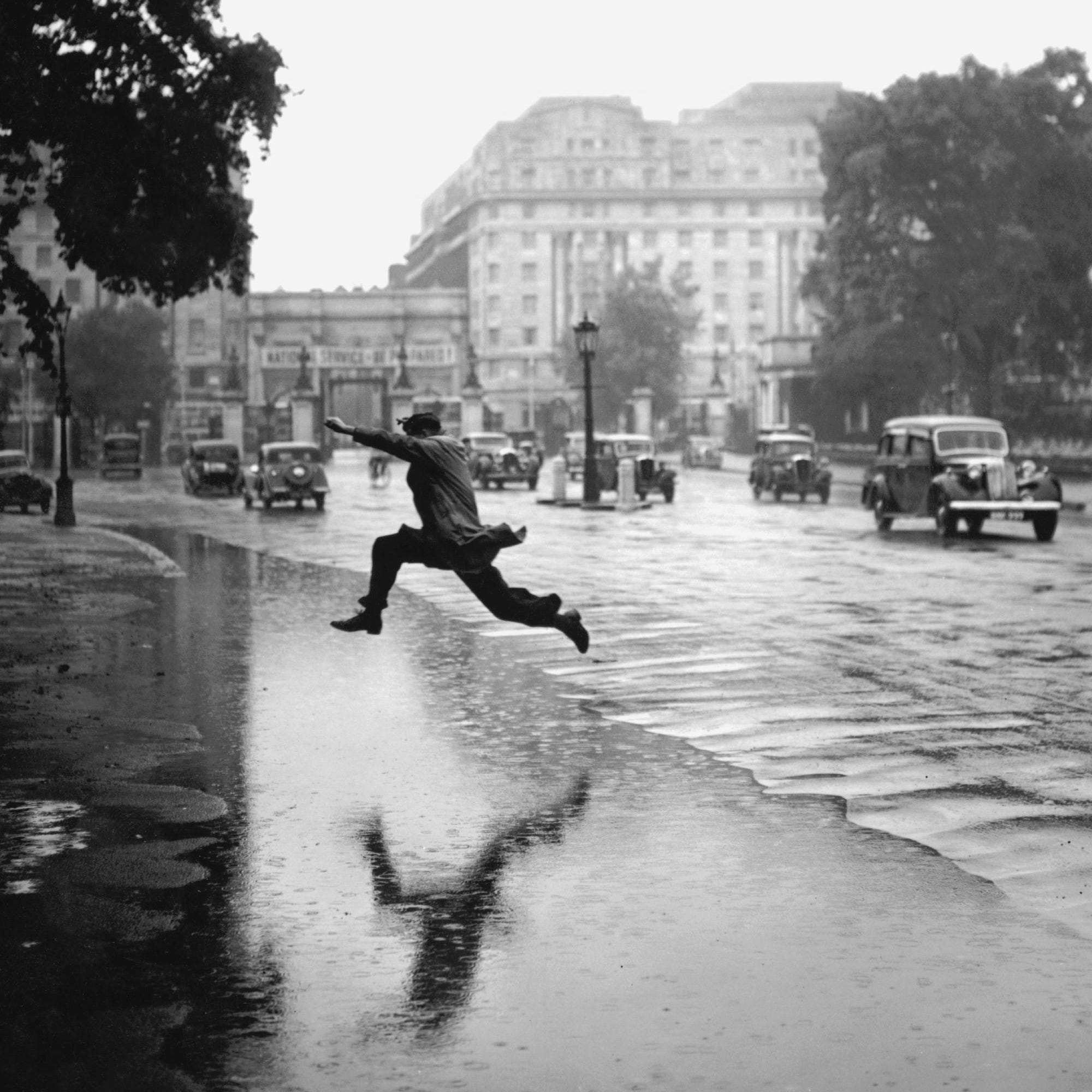
“The reader will hurry twice as fast over the obstacle of a pause because it is there.
We leap with more energy over a ditch than over no ditch.”
— Mary Oliver, A Poetry Handbook
Oliver’s metaphor reminds us that a line break isn’t a failure of continuity but a deliberate obstacle—one that gives the poem momentum rather than stopping it.
Inside This Frame & Phrase:
The End-Stopped and the Enjambed
The Natural Break
Weekly Prompt with Corresponding Image
Craft Focus
Line-Level Moves to Try
Three Structural Variations
A Question to Carry Forward
Recommended Books
