
After the Prompt: Recognizing What Is Alive
Prompts get us started—but what do we do with what we’ve made?

#Field Notes
You responded to a prompt.
A poem arrives.
Sometimes quickly. Sometimes haltingly.
An image, a line, a moment that finds its way onto the page.
And then, almost immediately, another question follows:
Now what?
After a period of writing, especially one shaped by prompts, we often find ourselves with pages of beginnings. Fragments. Drafts that hold something, though we may not yet know what.
Not everything we write will ask us to return.
But some pieces do.
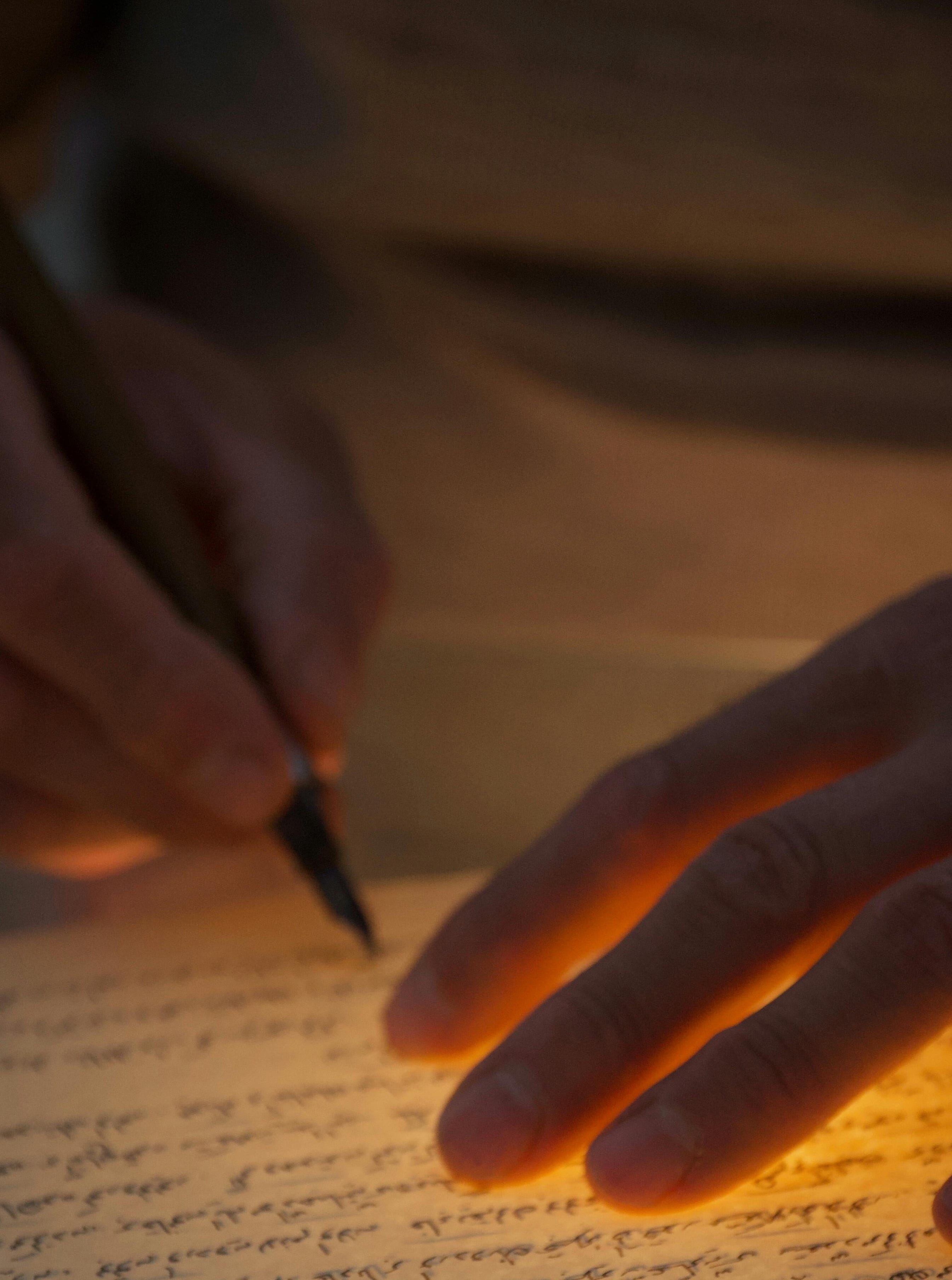
They stay with us in a particular way—
a line that lingers,
an image that won’t settle,
a quiet sense that something is still unfolding.
Before we shape, before we revise, before we try to make anything “better,” there is another, often overlooked part of the writing life:
Learning how to recognize what is alive.
What holds energy.
What carries possibility.
What asks, however quietly, to be continued.
This kind of attention is not about fixing or improving. It is about noticing.
It is about giving ourselves the time to see what we’ve made—and to listen for what, if anything, is asking us back.
What follows is a way of approaching that moment—after the writing, before the next step—when the question is simply:
What do I keep?
Inside this Frame & Phrase Post
Returning to the Work
Reading Your Own Work
Frame & Phrase Prompt
Bookshelf
